Effective Recovery Techniques for Athletes
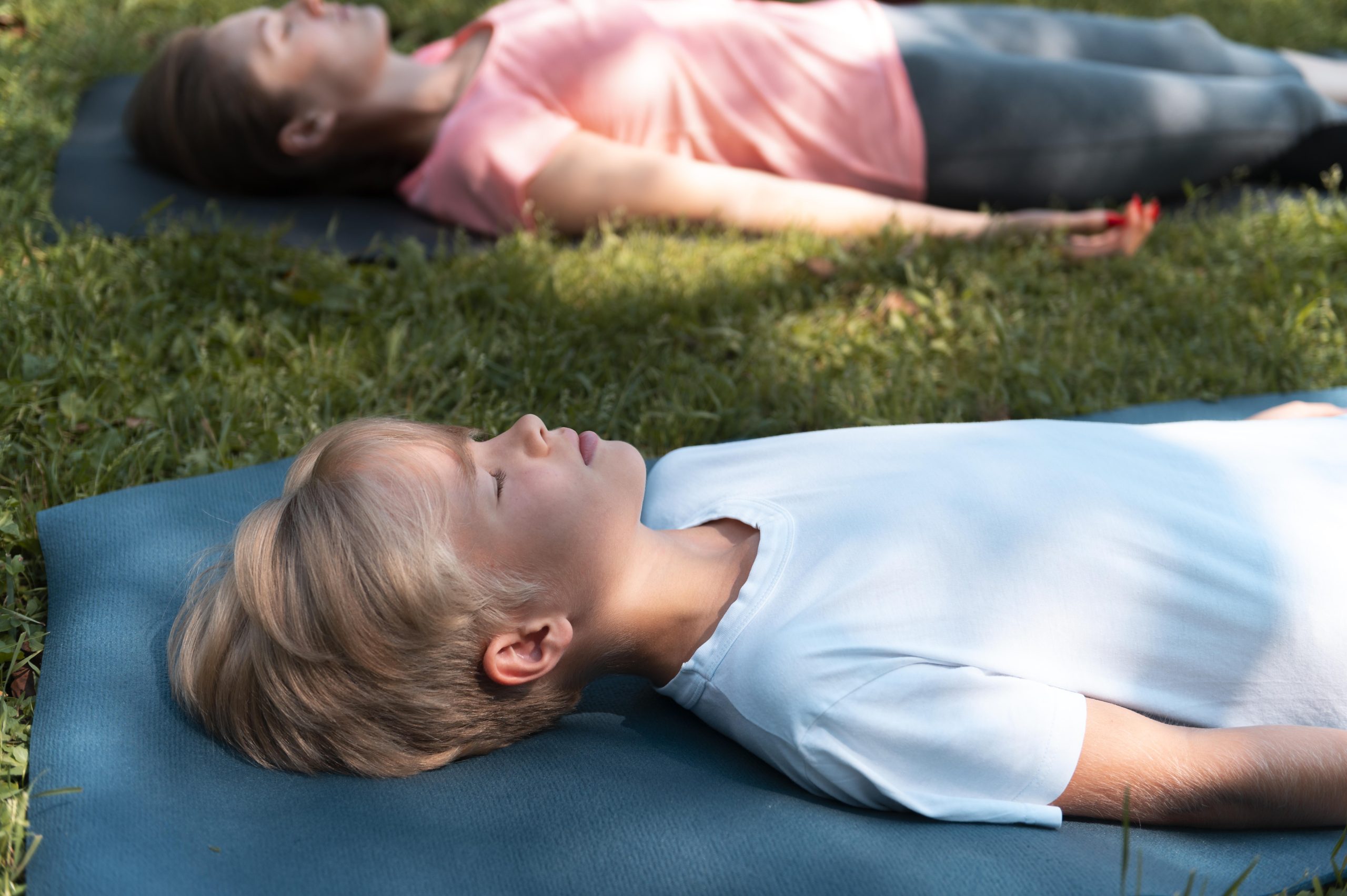
For young athletes, recovery is just as important as training. Whether it’s after a tough match, an intense training session, or a busy tournament weekend, recovery is what allows the body to rebuild, grow stronger, and avoid injury.
In youth football, players are still developing physically and mentally. That’s why it’s crucial to teach them the value of recovery early on — so they learn to listen to their bodies and give themselves the rest they need to reach their full potential.
Let’s explore the most effective recovery techniques tailored to young footballers.
Why Recovery Matters
During training or matches, muscles experience small tears, fluids are lost through sweat, and energy stores are depleted. Recovery is the process of repairing, rehydrating, and refueling. It helps to:
-
Prevent injuries
-
Reduce muscle soreness
-
Improve performance over time
-
Support growth and development
-
Promote mental freshness and focus
Neglecting recovery can lead to overuse injuries, fatigue, burnout, and loss of motivation — especially for kids playing multiple times per week.
Top Recovery Techniques for Young Players
Here are some simple, safe, and effective strategies you can introduce to your young footballer:
💤 1. Sleep – The #1 Recovery Tool
Sleep is where most of the body’s repair happens. For growing athletes, 9–11 hours of sleep per night is ideal.
Encourage a consistent bedtime and limit screens before sleep to improve quality rest.
📝 Tip for Parents: Make sleep a family priority. A well-rested child performs better — not just in sports, but also at school.
💧 2. Hydration
Replenishing lost fluids is key to avoiding cramps and fatigue. Water is usually enough, but after long or hot sessions, an electrolyte drink may be helpful.
Encourage your child to sip water throughout the day — not just at practice.
🍽 3. Post-Game Nutrition
Fueling the body within 30–60 minutes after a session supports faster recovery.
A great combo is protein + carbs to rebuild muscles and refill energy.
Examples:
🧘 4. Light Movement or Active Recovery
The day after a match, a short walk, bike ride, or stretching session can help reduce stiffness.
Kids don’t need intense sessions every day. Low-impact movement can keep circulation flowing and aid in muscle recovery.
🧊 5. Cool Down and Stretching
Never skip the cool-down after a match or training. Light jogging and stretching help gradually lower the heart rate and reduce soreness.
Focus on major muscle groups: legs, back, hips, and calves.
📌 Tip: Make it a habit — just 5–10 minutes at the end of every session makes a big difference.
🧠 6. Mental Recovery
Recovery isn’t just physical — it’s mental too. Players need space to relax and unwind.
Encourage time with friends, play outside of structured sport, and avoid overscheduling.
🛁 7. Optional: Warm Baths or Contrast Showers
While ice baths are popular with professionals, they’re not necessary for young athletes. However, a warm bath or contrast shower (alternating hot and cold water) can help relax muscles and improve blood flow.
⚽️ 8. Rest Days
Yes — kids need rest days. At least 1–2 days per week should be free from intense physical activity.
This doesn’t mean doing nothing — but unstructured play or simple walks are plenty.
What Coaches and Parents Can Do
✅ Monitor energy levels – If your child seems overly tired or unmotivated, it might be a sign they need more rest.
✅ Encourage recovery habits – Talk about nutrition, sleep, and hydration regularly.
✅ Avoid overtraining – Especially in young players, more is not always better.
✅ Set the tone – When coaches and parents value recovery, kids will follow.
Final Thoughts
Recovery isn’t a luxury — it’s a vital part of becoming a better athlete. For young footballers, learning how to care for their bodies early builds the foundation for long-term success and enjoyment of the sport.
By combining good sleep, proper hydration, balanced nutrition, active rest, and support at home, young players can stay strong, motivated, and injury-free.